A custom swimming pool should be designed for more than the homeowner's preferred shape, style, or features. The property itself can influence many of the decisions that determine how a pool fits into the backyard. In Utah, variations in slope, soil, sun exposure, views, drainage, and available space can make one property very different from the next. Evaluating these conditions early allows the pool design to respond to the site rather than forcing a predetermined concept into the backyard. For homeowners, new home buyers, and those planning a backyard remodeling project, working with A Pool and Spa allows the property to become part of the custom pool design process from the beginning.
Before a custom pool design takes shape, the characteristics of the site need to be understood. A flat, open backyard presents different opportunities than a property with elevation changes or limited usable space. Existing structures and other site conditions can also influence where the pool can be positioned and how the surrounding area is organized.
Important site considerations can include:
Evaluating these factors helps establish a realistic foundation for the design. Rather than selecting a pool concept first and adapting the property around it, the design can respond to the conditions already present.
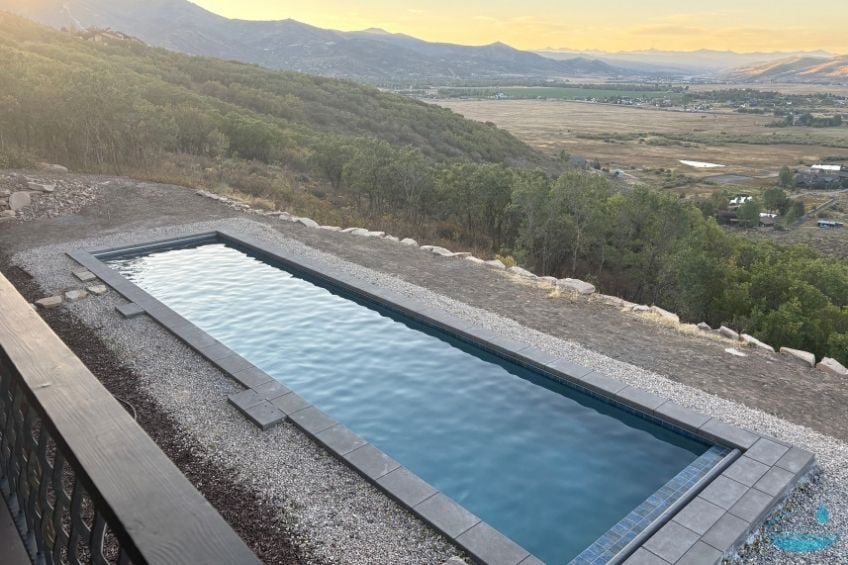
A sloped backyard does not automatically prevent a homeowner from creating an impressive pool environment. Elevation changes can become part of the architectural design when they are addressed intentionally.
Depending on the property, changes in grade may influence the pool's placement, surrounding structures, retaining elements, steps, decking, and transitions between different outdoor areas. These conditions can also create opportunities for raised design elements or distinct levels within the backyard.
From a business and planning perspective, identifying elevation considerations early helps homeowners develop a clearer understanding of the project before the design progresses. A Pool and Spa can evaluate how the pool and surrounding features should relate to the property's existing topography.
Technical site conditions are only part of the equation. A custom pool should also take advantage of what makes the property enjoyable.
Sun exposure can influence where homeowners prefer lounging and gathering areas, while views may help determine the pool's orientation and placement. The relationship between the pool and home also affects how people move between indoor and outdoor spaces.
Designers may consider:
For Utah properties with mountain, valley, or backyard views, thoughtful positioning can help the pool complement the setting rather than compete with it.
Custom pool design is most successful when the finished project looks and functions as though it was created specifically for its surroundings. Pool shape, size, placement, materials, structural elements, and outdoor living features should respond to the property as a whole.
For Utah homeowners, new home buyers, backyard remodeling projects, and swimming pool enthusiasts, this approach can turn site characteristics into meaningful design considerations. A challenging slope may influence the architecture, while a desirable view may shape the pool's orientation. Available space can guide proportions, and the home's architecture can influence materials and design direction.
Working with A Pool and Spa allows these factors to be considered together. Instead of treating the landscape as something the pool must overcome, the property becomes part of the design. The result is a custom swimming pool and backyard environment planned around the Utah property where it will actually be built.